Treatment of Mandibular Condylar Process Fractures in Croatia
DOI:
https://doi.org/10.3889/mmej.2025.6586Keywords:
mandibular fractures, condylar process, endoscopically assisted surgery, transoral approach, minimally invasive surgery, Reference CentreAbstract
Introduction: Mandibular fractures, especially of the condylar process, are common in maxillofacial surgery and require treatment strategies that optimize functional recovery, aesthetic outcome, and minimize complications.
Objective: This study presents the experience of the Department of Oral and Maxillofacial Surgery, University Hospital Dubrava – the national Reference Centre for Maxillofacial Traumatology – in managing condylar fractures with emphasis on endoscopically assisted transoral techniques (EATA) introduced in 2024.
Content: Mandibular fractures were treated with conservative approaches, open reduction and internal fixation (ORIF) via extraoral routes, and minimally invasive EATA. EATA utilized a 30° rigid endoscope and angled instruments to achieve anatomical reduction and stable fixation in 22 patients.
Results: All patients achieved successful outcomes without permanent facial nerve injury, hematomas, salivary fistulas, or significant complications. Hospitalization was shorter than with extraoral approaches, with restored TMJ function, stable occlusion, and no visible scars.
Conclusion: Endoscopically assisted transoral techniques provide excellent clinical and aesthetic outcomes for condylar fractures, reduce morbidity, and may represent the future standard of care in Croatia and beyond.
Downloads
Author Biography
Igor Čvrljević, Department of Oral and Maxillofacial Surgery, University Hospital Dubrava, Zagreb, Croatia; Reference Centre for Maxillofacial Traumatology, Ministry of Health, Croatia
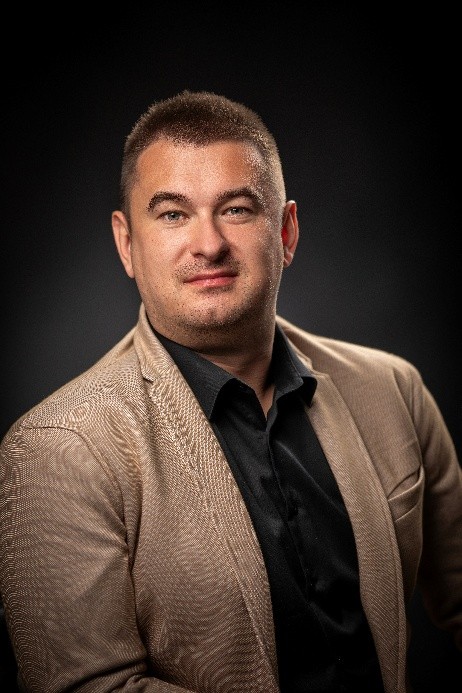
Dr. Igor Čvrljević graduated from the School of Medicine, University of Zagreb, in 2012. He is a specialist in maxillofacial surgery and a subspecialist in plastic surgery of the head and neck at the Department of Oral and Maxillofacial Surgery, University Hospital Dubrava. He is a member of the Croatian Society for Maxillofacial, Plastic and Reconstructive Head and Neck Surgery, the Croatian Society for Head and Neck Tumors, and the European Association for Cranio-Maxillofacial Surgery (EACMFS). Dr. Čvrljević completed his postgraduate studies in maxillofacial surgery in 2020 and is pursuing doctoral studies at the University of Zagreb. His clinical and research interests focus on head and neck oncological surgery, maxillofacial traumatology and malformations, and reconstructive surgery, with emphasis on microvascular flap reconstruction. He actively participates in national and international conferences and is author of numerous publications.
Downloads
Published
How to Cite
Issue
Section
Categories
License
Copyright (c) 2025 Igor Čvrljević

This work is licensed under a Creative Commons Attribution-NonCommercial 4.0 International License.