Pterygoid Dental Implants and the Choice of Anesthesia
DOI:
https://doi.org/10.3889/mmej.2026.6895Keywords:
pterygoid implants, dental implantology, local anesthesia, intravenous sedation, general anesthesia, dynamic navigationAbstract
INTRODUCTION: Pterygoid dental implant placement represents a contemporary treatment option for patients with severe bone atrophy or unfavorable anatomical conditions in the posterior maxilla, where conventional implant procedures may be limited. This technique utilizes the available bone support in the pterygoid region, potentially avoiding extensive bone augmentation procedures. The use of dynamic navigation systems enables more precise planning and guidance of the surgical procedure.
AIM: The aim of this lecture is to present anesthetic management options for pterygoid implant placement and discuss the selection of the most appropriate type of anesthesia according to the complexity of the procedure, the patient's clinical condition, and individual needs.
LECTURE CONTENT: Three main approaches to anesthetic management will be discussed. Local anesthesia is sufficient for most standard implant procedures and allows the patient to remain conscious and cooperate with the surgeon. The combination of local anesthesia and intravenous sedation represents an appropriate option for more complex procedures and patients with significant anxiety, helping to reduce stress and improve patient comfort while ensuring careful monitoring of vital signs. General anesthesia is used less frequently and is mainly indicated for extensive reconstructive surgical procedures, complex anatomical conditions, or specific clinical indications. Particular attention will be given to the role of dynamic navigation and its contribution to surgical precision and procedural predictability.
CONCLUSION: The choice of anesthesia for pterygoid implant placement should be individualized and based on the extent and complexity of the surgical procedure, the patient's health status, and individual needs. Local anesthesia is appropriate for many standard cases, while its combination with intravenous sedation may provide greater comfort for selected patients and more complex procedures. General anesthesia remains an option for cases involving broader surgical indications.
Downloads
Author Biography
Silvana Kraleva, Faculty of Dental Medicine, MIT University – Skopje, Skopje, Republic of North Macedonia; General City Hospital “8 September”, Department of Anesthesiology, reanimatology and intensive care, Skopje, Republic of North Macedonia
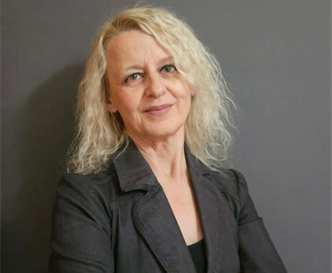
Assist. Prof. Dr. Silvana Kraleva is a specialist in Anaesthesiology and Reanimatology with 30 years of clinical and professional experience. Since 2011, she has been working at the General City Hospital “8 September” in Skopje, where she serves as Head of the Resuscitation Department. She is also an Assistant Professor at the Faculty of Dental Medicine, MIT University – Skopje. She has further developed her professional expertise through clinical training visits at renowned medical centres in Slovenia, the People's Republic of China, and Kuwait. She is the author and co-author of numerous scientific papers and actively participates in national and international congresses, symposia, and professional meetings. Her professional and research interests include anaesthesiology, resuscitation, intensive care, and the advancement of contemporary clinical practices.
Downloads
Published
How to Cite
License
Copyright (c) 2026 Silvana Kraleva

This work is licensed under a Creative Commons Attribution-NonCommercial 4.0 International License.