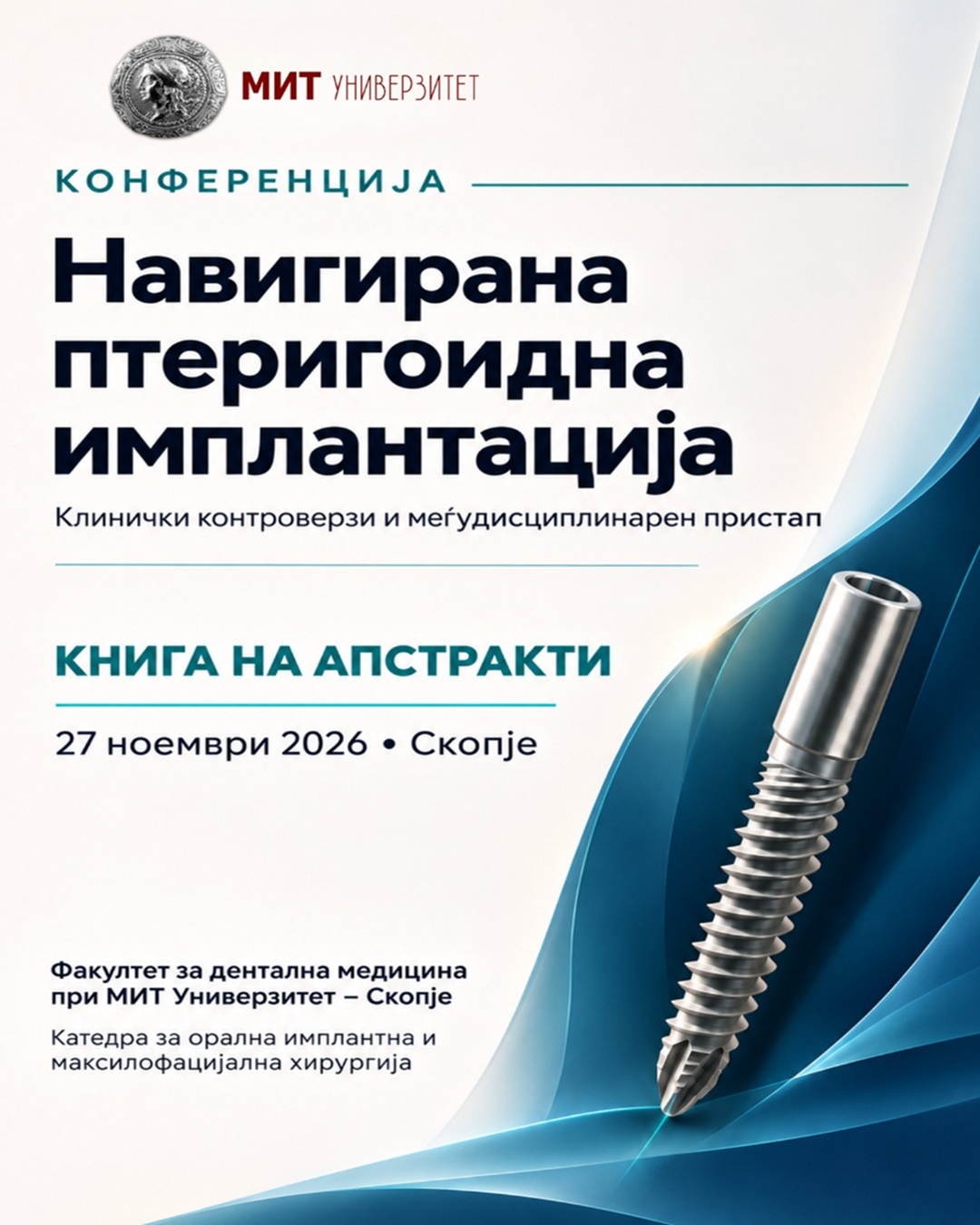
Guided, Navigated, or Conventional Surgery
DOI:
https://doi.org/10.3889/mmej.2026.6898Keywords:
pterygoid implants, conventional implant surgery, static guided surgery, dynamic navigation, digital planning, surgical accuracyAbstract
INTRODUCTION: Pterygoid implant placement represents a specialized surgical approach for providing posterior implant support in patients with an atrophic posterior maxilla. The complex anatomy of the pterygomaxillary region, limited surgical access, and proximity to critical anatomical structures make precise planning and execution particularly important. Contemporary digital protocols enable the use of static guided and dynamic navigated surgery as alternatives to or adjuncts to conventional free-hand implant placement.
AIM: The aim of this lecture is to review and compare conventional, static guided, and dynamic navigated approaches to pterygoid implant placement, with emphasis on surgical accuracy, implant trajectory control, and the clinical advantages and limitations of each technique.
LECTURE CONTENT: The lecture will present the anatomical characteristics of the pterygomaxillary region, indications for pterygoid implant placement, critical anatomical structures, and potential surgical complications. Particular attention will be given to CBCT-based digital planning, the fabrication and application of individualized surgical guides in static guided implant surgery, and dynamic navigation, which enables continuous real-time monitoring and control of implant position, angulation, and osteotomy depth. Through clinical examples and findings from comparative studies, differences in placement accuracy, implant deviations, surgical time, and prosthetic rehabilitation potential between digitally navigated and conventional techniques will be discussed. Practical challenges, limitations, and factors influencing the selection of the appropriate surgical approach will also be addressed.
CONCLUSION: The choice of surgical approach for pterygoid implant placement should be based on anatomical conditions, clinical expertise, and individual patient needs. Static guided and dynamic navigated implant surgery enable improved control of implant trajectory and enhanced surgical accuracy, particularly in anatomically complex regions, while conventional free-hand placement remains a clinically applicable approach in appropriately selected cases.
Downloads
Author Biography
Ivica Lukanoski, PZU Dr. Lukanoski, Skopje, Republic of North Macedonia; Lukanoski – Surgery Skopje, Skopje, Republic of North Macedonia
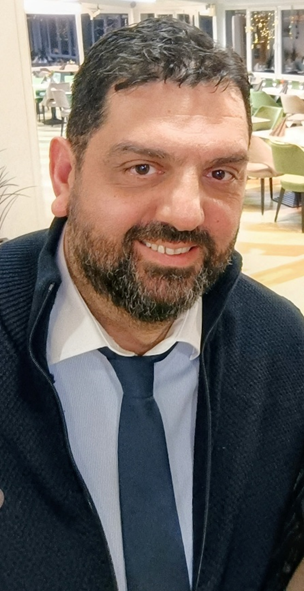
Dr. Ivica Lukanoski is a dentist and specialist in Oral Surgery with 25 years of clinical and professional experience. He completed his secondary education in dental technology at the “Dr. Panche Karagjozov” Medical School in Skopje and graduated from the Faculty of Dentistry, Ss. Cyril and Methodius University in Skopje, in 1999. He completed his specialization in Oral Surgery in 2013 and pursued Master's studies in Prosthodontics and Digital Dentistry in Siena, Italy, from 2016 to 2018, under the mentorship of Prof. Marco Ferrari. In 2002, he founded the dental practice Dr. Lukanoski, followed by the establishment of the Dental Care Macedonia brand in 2016. In 2021, he opened the Premium Implant & Esthetic Center Dr. Lukanoski, and in 2023, the oral surgery practice “Lukanoski – Surgery Skopje”. Today, all three dental centres operate as an integrated practice employing 25 staff members. He is an active Key Opinion Leader for ROOTT implant systems and Heraeus Kulzer impression materials, a lecturer at Medika Lema Academy, and a member of the Board of Experts at MIT University – Skopje.
Downloads
Published
How to Cite
License
Copyright (c) 2026 Ivica Lukanoski

This work is licensed under a Creative Commons Attribution-NonCommercial 4.0 International License.